

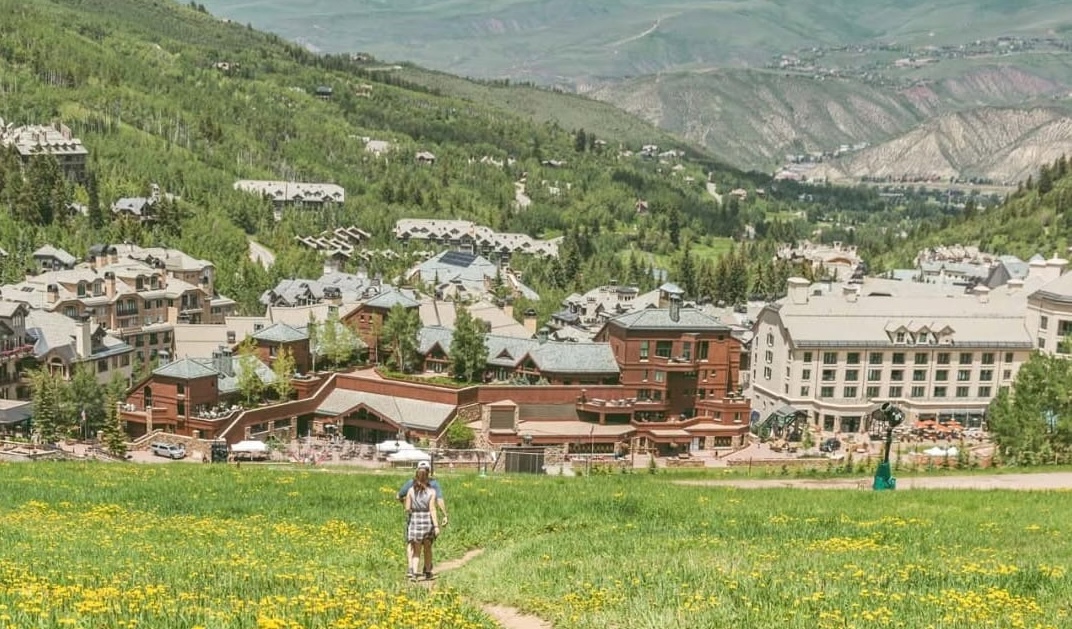
Summary
A mountain getaway can improve work-life balance by creating intentional distance from work, encouraging restorative activities, and giving you space to reconnect with yourself, family, or friends. Research increasingly supports the value of vacation for well-being, particularly when time away allows for psychological detachment and physical activity rather than continued work obligations. [1] A thoughtfully planned mountain retreat can turn a few days away into an opportunity to reset your routines and return home feeling refreshed.
Taking time away from work can be difficult when emails, notifications, and responsibilities seem to follow you everywhere. A mountain getaway offers a natural change of pace, making it easier to step away from professional demands and focus on experiences that restore your energy.
Step Away From the Daily Work Routine
A mountain getaway creates physical and mental distance from work, which can make it easier to disconnect from professional responsibilities. Leaving your normal environment behind gives you an opportunity to establish clearer boundaries between your working life and personal time.
That separation can be especially valuable for people who work remotely or spend much of their day connected to digital devices. Instead of moving from a home office directly into another screen-based activity, a mountain setting encourages you to change your surroundings and create a more deliberate transition into vacation mode.
Research published in 2025 found that vacation is an effective opportunity for recovery and that psychological detachment and physical activity may be particularly beneficial for employee well-being. [1] The goal, therefore, is not simply to work somewhere with a mountain view but to genuinely give yourself permission to stop working.
Ways to disconnect during a mountain getaway:
- Turn off work notifications
- Set an out-of-office message
- Avoid checking email during planned personal time
- Establish a clear return-to-work date
- Choose activities that don't involve screens
Spend More Time Outdoors and Active
Mountain destinations make it easy to incorporate movement and time outdoors into your vacation, two experiences that can support recovery from a demanding routine. Whether you're hiking in summer or skiing in winter, outdoor activities encourage you to get away from your desk and engage with your surroundings.
You don't need an ambitious itinerary to benefit from being outside. A morning walk, leisurely scenic drive, afternoon on the slopes, or coffee on a sunny patio can provide a welcome contrast to hours spent indoors working.
The key is to choose activities that feel enjoyable rather than turning your vacation into another productivity challenge. A relaxed schedule can give you room to explore, rest, and simply enjoy the landscape without worrying about checking every item off a list.
Restorative mountain activities can include:
- Hiking and scenic walks
- Skiing and snowboarding
- Cycling
- Fishing or paddleboarding
- Relaxing outdoors with friends or family
Create Space for Meaningful Personal Time
A mountain getaway can strengthen work-life balance by giving you uninterrupted time to focus on relationships and personal interests. Shared experiences away from normal responsibilities can create opportunities to reconnect with family, friends, or a partner.
A change of scenery can also make ordinary activities feel more meaningful. Cooking dinner together, playing a board game, enjoying a long conversation, or watching the sunset can become memorable parts of a trip when you're not simultaneously thinking about the next work obligation.
| Work-Life Challenge | Mountain Getaway Opportunity |
| Constant notifications | Digital detox |
| Sedentary routine | Outdoor activities |
| Limited family time | Shared experiences |
| Work-related stress | Relaxation and recovery |
These simple changes can make a short trip feel more restorative without requiring a complicated itinerary.
Bring Better Habits Home
The benefits of a mountain getaway can extend beyond the trip when you use the experience to identify habits that improve your everyday routine. A few days of slower mornings, outdoor activities, and uninterrupted personal time can reveal how valuable those experiences are when incorporated into normal life.
You might return home determined to take regular walks, protect evenings from work, schedule more intentional time with family, or take your vacation days more consistently. A getaway can therefore serve as a reminder that work-life balance is not something that only needs attention when you're feeling overwhelmed.
Taking vacation also matters because time away can be associated with lower burnout. A 2024 study of more than 3,000 U.S. physicians found that taking more vacation was associated with lower rates of burnout, while spending substantial time working during vacation was associated with higher rates of burnout. [2] While the study focused specifically on physicians, its broader message reinforces the value of genuinely disconnecting when you take time off.
A mountain getaway can be an ideal setting for that reset because the environment naturally encourages a different rhythm. Instead of measuring your days by meetings, deadlines, and notifications, you can measure them by fresh air, scenic views, shared meals, and experiences that have nothing to do with work.
If you're ready to make more time for yourself, call us at 888.598.6353 or email reservations@eastwest.com to learn more about planning a mountain getaway and finding the right accommodations for a relaxing escape. We can help you find a comfortable place to stay that makes it easier to disconnect, recharge, and enjoy everything a mountain destination has to offer.
FAQ
- What is work-life balance?
Work-life balance is the ability to manage professional responsibilities while also making sufficient time for rest, relationships, personal interests, and other aspects of life outside work. - Can taking a vacation really help with burnout?
Vacation can provide an opportunity for recovery and psychological detachment from work. Recent research has found associations between taking more vacation and lower burnout, particularly when people genuinely disconnect from work. [2] - How can I disconnect from work while traveling?
Set an out-of-office message, turn off work notifications, communicate your availability before leaving, and avoid checking work email unless there is a genuine emergency. - Do mountain activities have to be strenuous to be beneficial?
No. Hiking, walking, sightseeing, relaxing outdoors, and other low-intensity activities can all provide a change of pace. The best activities are those that help you relax and enjoy your surroundings. - How can I maintain a better work-life balance after a mountain vacation?
Bring some of the habits you enjoyed during your trip into your regular routine, such as scheduling outdoor time, protecting personal evenings, taking vacation days, and creating clearer boundaries around work.
Citations
- I Need a Vacation: A Meta-Analysis of Vacation and Employee Well-Being, APA/PsycInfo via PubMed, Accessed August 17, 2026, https://pubmed.ncbi.nlm.nih.gov/39836131/
- Vacation Days Taken, Work During Vacation, and Burnout Among US Physicians, JAMA Network Open, Accessed August 17, 2026, https://pubmed.ncbi.nlm.nih.gov/38214928/